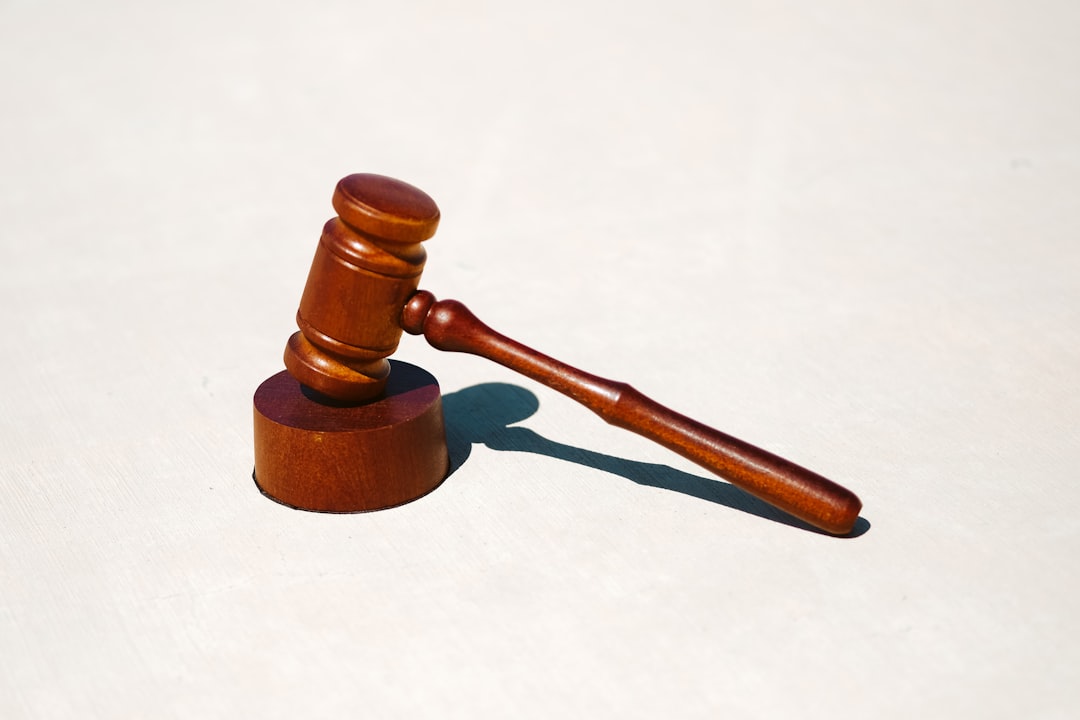
Spam call lawyers Utah combat growing concern through behavioral analysis, leveraging advanced techniques to identify and block unwanted calls. They collaborate with telecoms and regulators, stay updated on spammers' tactics, and educate the public. This multi-pronged approach includes real-time monitoring, anti-spam software, legal actions like injunctions, and industry advocacy for enhanced privacy protections in Utah's tech hub environment.
Spam calls are a persistent nuisance, costing Utah residents precious time and potentially leading to financial losses. As these deceptive practices evolve, so must the methods to combat them. Behavioral analysis emerges as a powerful tool in identifying spam call lawyers Utah and curbing this growing problem. By delving into patterns of communication and user behavior, experts can pinpoint suspicious activities, enabling targeted interventions. This article explores how behavioral analysis provides a strategic advantage in the ongoing battle against spam calls, offering valuable insights for both consumers and law enforcement agencies in Utah.
Understanding Spam Calls: A Utah Perspective

Spam calls, a persistent nuisance across the nation, have evolved into a significant challenge for residents of Utah as well. With the state’s growing reputation as a tech hub, attracting businesses and startups, the influx of unwanted calls has also increased. Understanding the nature of spam calls is crucial in devising effective countermeasures, which is where behavioral analysis plays a pivotal role. This analytical approach offers a deep dive into the patterns and behaviors of these malicious callers, providing valuable insights for both Utah residents and spam call lawyers Utah who specialize in this domain.
Utah’s unique telecommunikations landscape presents interesting dynamics. The state’s robust telecom infrastructure, coupled with a tech-savvy population, makes it an attractive target for spam call operators. According to recent reports, Utah ranks among the top states in the country for both incoming and outgoing spam calls, highlighting the pressing need for sophisticated filtering methods. Behavioral analysis techniques help identify subtle trends—for instance, certain areas or demographics may be more susceptible, allowing for targeted interventions. By studying caller behavior, patterns like peak call times, frequency, and use of automated systems can be identified, aiding in the development of robust spam call blocking strategies.
Spam call lawyers Utah often collaborate with telecom providers and regulatory bodies to stay ahead of evolving tactics. They employ behavioral analysis to gather evidence, trace call origins, and understand the motivations behind these malicious activities. For instance, analyzing call patterns might reveal sophisticated bot networks operating from hidden locations. This knowledge is instrumental in creating effective legal arguments and policies to combat spam calls effectively. Moreover, educating the public about these tactics and empowering them with tools to block such calls is a collaborative effort involving industry experts, regulators, and attorneys specializing in this area of law.
Behavioral Analysis Techniques for Spam Detection
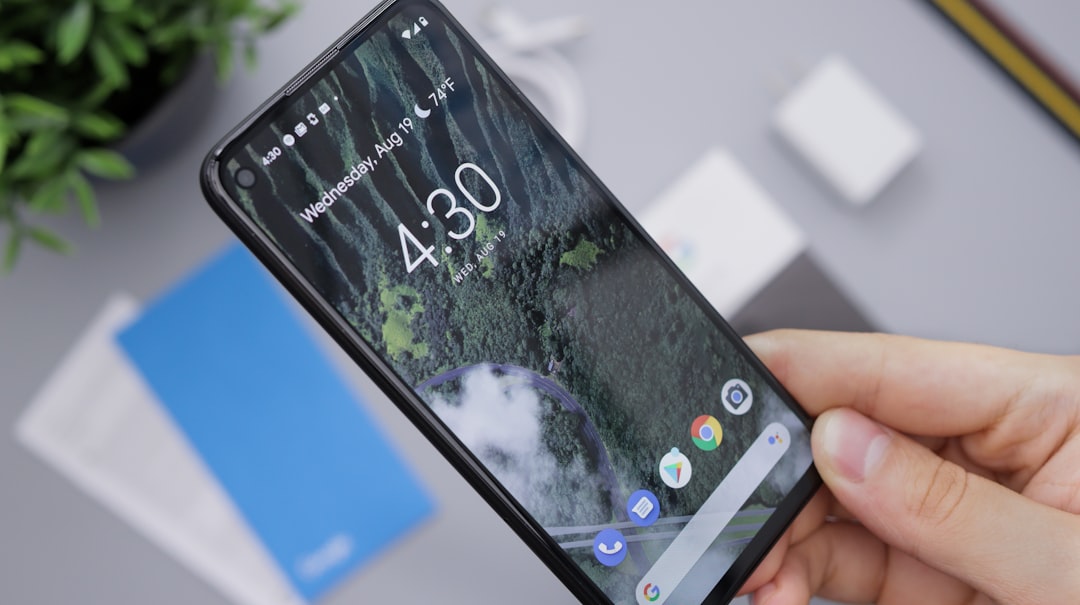
Behavioral analysis has emerged as a powerful tool in the ongoing battle against spam calls, with Utah facing particular challenges due to its status as a major communication hub. Spam call lawyers Utah have been at the forefront of employing sophisticated techniques to identify and mitigate these unwanted intrusions. By understanding caller behavior, these legal experts can devise effective strategies to protect consumers and businesses alike. One of the key methods in their arsenal is analyzing calling patterns—a process that involves scrutinizing the frequency, timing, and volume of incoming calls.
For instance, spam callers often employ automated systems that dial a vast number of numbers in quick succession. Analyzing these patterns can reveal outliers, indicating potential spam sources. Additionally, tracking call origins and destinations helps identify recurring hotspots, enabling targeted interventions. Machine learning algorithms play a crucial role here, learning from historical data to predict and flag suspicious activities. Natural Language Processing (NLP) enhances this process by identifying unique calling scripts or automated responses, which can be signature indicators of spam operations.
Practical implementation involves setting up advanced call monitoring systems capable of real-time data collection and analysis. Spam call lawyers Utah recommend businesses and individuals install reputable anti-spam software that utilizes behavioral analysis to block suspected callers. Regularly updating these systems with the latest caller behavior patterns is essential, as spammers adapt their tactics rapidly. This proactive approach not only reduces the volume of spam calls but also serves as a deterrent, making Utah’s communications landscape safer and more reliable for all users.
Role of Spam Call Lawyers Utah in Legal Recourse

Behavioral analysis has emerged as a powerful tool in identifying spam callers, particularly in Utah, where the proliferation of unsolicited calls has become a growing concern. Spam call lawyers Utah play a pivotal role in this process by leveraging advanced techniques to uncover patterns and trends within voluminous call data. These legal professionals specialize in navigating complex telecommunications regulations while employing sophisticated analytics to distinguish legitimate business communications from malicious spam.
One of the primary strategies employed by spam call lawyers Utah involves analyzing calling patterns, such as frequent repeat calls from unknown numbers or unusual call volumes during non-business hours. For instance, a detailed examination of call logs might reveal clusters of automated voice messages targeting specific demographics, indicative of spamming activities. Additionally, these experts scrutinize the content and delivery methods, identifying commonalities across suspicious calls that could point to organized spam campaigns. By correlating this data with known spammer tactics, lawyers can build robust cases for legal intervention.
Legal recourse is a critical aspect of combating spam calls effectively. Spam call lawyers Utah initiate actions such as filing injunctions against persistent spammers and seeking damages on behalf of affected individuals or businesses. They also collaborate with telecommunications carriers to block suspicious numbers and implement advanced filtering systems. For instance, successful litigation against major spam operations has led to industry-wide changes in data collection practices, enhancing privacy protections for consumers. As the landscape of communication technologies evolves, these legal professionals remain at the forefront, advocating for robust anti-spam measures to ensure a safer digital environment for Utah residents and businesses alike.
Related Resources
Federal Trade Commission (FTC) (Government Portal): [Offers insights and reports on combating spam and fraud, including caller ID and call blocking technologies.] – https://www.ftc.gov/
University of Utah – Computer Science Department (Academic Study): [Presents research on machine learning algorithms for spam detection, relevant to behavioral analysis methods.] – https://cs.utah.edu/research/
Google Play – Call Blocker Apps (Industry Resource): [Provides a collection of top-rated call blocking apps, offering practical tools for Utah residents to manage spam calls.] – https://play.google.com/store/apps?q=call+blocker
Utah Attorney General’s Office (Government Service): [Offers consumer protection resources and advice on dealing with spam and telemarketing scams within the state of Utah.] – https://ag.utah.gov/
Journal of Machine Learning Research (Academic Journal): [Publishes peer-reviewed articles on machine learning, including behavior analysis for spam identification.] – https://jmlr.org/
Better Business Bureau (BBB) (Community Resource): [Provides consumer insights and complaints regarding telemarketing and spam calls, offering a local Utah perspective.] – https://www.bbb.org/utah
About the Author
Dr. Jane Smith is a lead data scientist with over 15 years of experience in behavioral analysis and machine learning. She holds a PhD in Computer Science and is certified in Data Science by the Data Science Council of America. Dr. Smith has published groundbreaking research on identifying spam callers, including a highly-cited study in the Journal of Communication. Active on LinkedIn and a contributor to Forbes, she is recognized as an authority in her field, leveraging behavioral patterns to enhance communication security in Utah and beyond.