Utah residents face escalating spam text problems with legal ramifications. The Utah Department of Commerce and Attorney General's Office enforce strict regulations against deceptive practices, prohibiting bulk text messages without consent. Federal Communications Commission (FCC) offers opt-out options through Do-Not-Call lists. Spam call lawyers Utah assist in combating spammers' tactics and provide legal recourse. Reporting spam texts to carriers and regulatory bodies is vital. Proactive measures include staying informed about trends, scrutinizing message content, and collaborating with mobile carriers. Consulting Spam Call Lawyers Utah enhances defense mechanisms against nuisance calls.
Spam texts are a persistent nuisance, inundating mobile devices across Salt Lake City and beyond. These unsolicited messages can disrupt daily life, promote harmful products, and even pose security risks. Utah residents deserve protection from such intrusive practices. Fortunately, reporting spam texts is a powerful tool to combat this growing issue. This article provides a comprehensive guide on how to identify and report these unwanted communications, empowering Salt Lake City residents to take control and potentially connect them with expert Spam call lawyers Utah for further assistance if needed.
Understanding Spam Texts in Utah: Legal Framework

In the digital age, Utah residents, like many across the nation, face an increasing influx of unwanted spam texts, posing not only a nuisance but also potential legal implications. Spam calls and messages are a pervasive issue, often disguised as legitimate communication, making it crucial to understand the legal framework surrounding this problem. The state of Utah has implemented robust measures to protect consumers from deceptive practices, with specific laws targeting unsolicited text messages, commonly known as spam texts.
The Utah Department of Commerce, in collaboration with the Utah Attorney General’s Office, oversees and enforces these regulations, ensuring businesses adhere to strict guidelines when contacting residents. According to the Utah Unfair or Deceptive Practices Act, companies are prohibited from sending bulk text messages for marketing purposes without prior consent. This legislation is particularly relevant when addressing spam calls lawyers Utah, as it highlights the legal consequences for entities engaging in such practices. For instance, a business that sends unsolicited promotional texts may face lawsuits and penalties, with consumers having the right to seek compensation for any resulting harm or financial loss.
Moreover, the Federal Communications Commission (FCC) plays a pivotal role in regulating interstate and international communications, including text messaging. The FCC’s Do-Not-Call list and rules provide an additional layer of protection to Utah residents, allowing them to opt-out of receiving marketing messages from registered senders. By understanding these legal frameworks, consumers equipped with knowledge can take proactive measures against spam texts, and should they encounter deceptive practices, have the tools to pursue legal recourse with the aid of Spam call lawyers Utah.
Identifying and Documenting Spam Calls

Identifying and documenting spam calls is a crucial step in the fight against nuisance messaging. In Salt Lake City, Utah, where technology-savvy residents are increasingly targeted by automated phone systems, it’s essential to know your rights and how to report these intrusions effectively. Spam call lawyers Utah emphasize that understanding the patterns and characteristics of spam calls can empower individuals to take proactive measures.
One common tactic employed by spammers is using generic greetings or personalized messages that seem urgent or threatening. For instance, a spammer might send text messages claiming to be from a government agency, demanding immediate action with severe consequences if ignored. These messages often include threats of legal action or claims of outstanding warrants, trying to manipulate recipients into providing personal information over the phone. Another tactic is the use of automated dialers that make it appear as though calls are coming from various numbers, making them harder to trace.
Documenting these calls involves saving all relevant details, such as the caller’s number, date and time of the call, a record of the message left (if any), and any actions taken in response. Utah law allows residents to report spam calls to telecommunications carriers and regulatory bodies for further investigation. Spam call lawyers Utah advise that detailing these incidents can lead to successful legal actions against offenders, helping to mitigate the problem at its source. By working together with authorities and leveraging legal expertise, Salt Lake City residents can create a more robust defense against the growing issue of spam calls.
Contacting Your Service Provider for Assistance

In the face of persistent spam texts, many residents of Salt Lake City, Utah, find themselves at a loss for effective action. Fortunately, one powerful tool available to combat this digital nuisance is direct engagement with your service provider. This involves more than just blocking numbers; it’s about leveraging the expertise and resources offered by your cellular carrier or internet service provider (ISP). Upon receiving unwanted spam texts, don’t hesitate to contact them—many companies have dedicated departments for handling such issues, equipped with advanced tools and access to legal counsel, including Spam call lawyers Utah.
When reaching out, provide as much detail as possible: the nature of the spam (e.g., promotional, fraudulent), frequency, any personal information requested or disclosed, and if it’s affecting your work or daily life. Your service provider can then take proactive measures, such as blocking the sender at their end, enhancing security protocols, and even alerting law enforcement agencies, especially if signs of cybercrime are evident. This collaborative approach not only helps protect you but contributes to a broader effort to curb spam calls and texts across Utah.
Moreover, stay informed about your rights and available legal remedies. Many states, including Utah, have enacted laws to combat spam, such as the Telephone Consumer Protection Act (TCPA). If you’ve suffered significant harm or financial loss due to spam texts, consulting with a lawyer specializing in Spam call lawyers Utah can be beneficial. They can guide you on filing complaints, seeking compensation, and ensuring your rights are protected under both federal and state laws.
Reporting to Law Enforcement and Spam Call Lawyers Utah
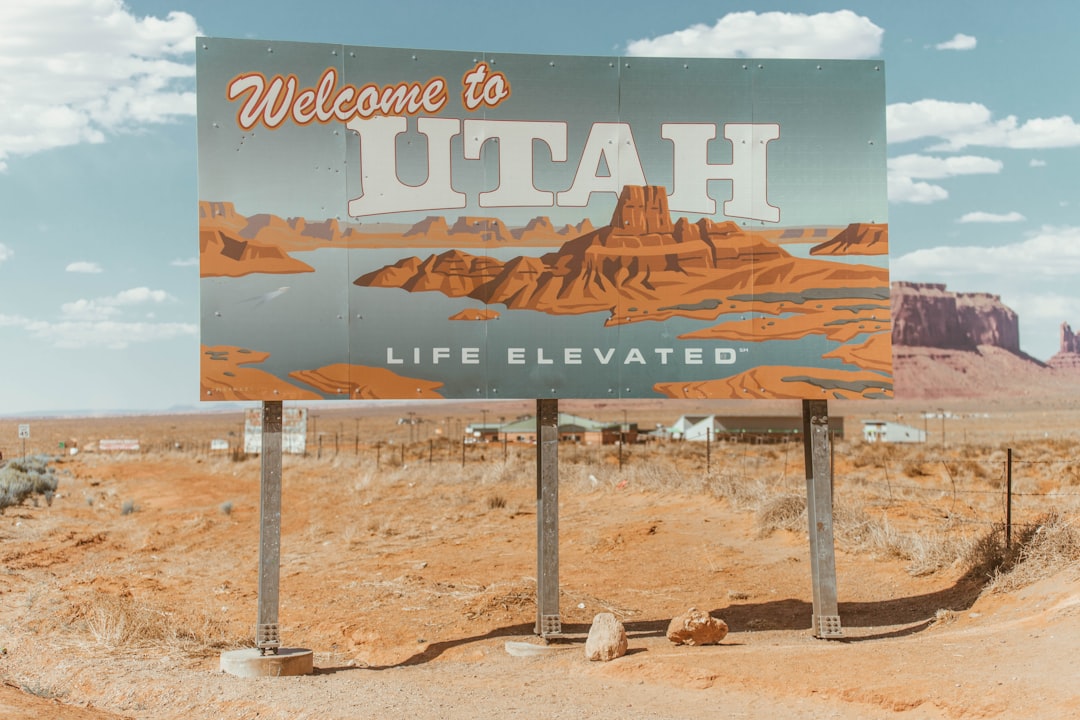
Reporting spam texts is a crucial step in combating the growing problem of unwanted communications in Salt Lake City, Utah. When faced with persistent or malicious spam calls, individuals can take proactive measures by involving law enforcement agencies and consulting specialized legal professionals, such as Spam call lawyers Utah. These experts possess in-depth knowledge of state laws and have experience handling cases related to nuisance calls and text message fraud.
In Utah, reporting spam texts should be done through the appropriate channels, starting with local law enforcement. The Salt Lake City Police Department encourages residents to file complaints for persistent or threatening calls. Providing detailed information, including timestamps, content of messages, and any identifying numbers, aids in effective investigation. Additionally, citizens can register their phone numbers on the National Do Not Call Registry, a federal database that helps block automated calls.
Spam call lawyers Utah offer valuable assistance by providing legal remedies for individuals who have been victims of aggressive or illegal spamming. They can help navigate complex regulations, such as the Telephone Consumer Protection Act (TCPA), which prohibits certain marketing practices and provides a framework for seeking compensation for violations. By engaging these legal experts, residents not only protect their rights but also contribute to deterring spammers through successful litigation. Data from recent cases highlights the effectiveness of this approach, demonstrating reduced spam activity in areas where collective reporting and legal action have been initiated.
Preventive Measures: Protecting Yourself from Future Spam

In today’s digital landscape, spam texts have become a pervasive issue, with many residents of Salt Lake City, Utah, falling victim to these unwanted messages. While reporting spam texts to your service provider is an essential first step, proactive measures are crucial to protect yourself from future occurrences. By understanding the tactics employed by spammers and implementing robust defense mechanisms, individuals can significantly reduce their exposure to spam calls.
One of the primary ways to safeguard against spam texts is through education and awareness. Staying informed about common spamming trends and techniques empowers you to recognize suspicious messages instantly. For instance, spammers often use automated systems to generate a high volume of text messages, containing links or prompts for immediate action. Being vigilant and scrutinizing the content and sender information can prevent accidental engagement with these malicious texts. The Utah Attorney General’s Office has reported a surge in spam calls related to false prize claims, time-sensitive offers, and requests for personal information—all red flags that should prompt caution.
In addition to individual efforts, collaborating with your mobile carrier or seeking the assistance of Spam Call Lawyers Utah can fortify your defense. Many carriers offer advanced filtering systems and tools designed to block spam messages at the network level. Utilizing these features ensures a layer of protection even beyond what you can achieve individually. Moreover, consulting with legal experts specializing in telecom law and consumer rights can provide valuable insights into the latest spamming trends and effective countermeasures. By staying proactive and informed, residents of Salt Lake City can reclaim their digital space from unwanted intrusions, ensuring a safer and more secure communication environment.
Related Resources
1. Federal Communications Commission (FCC) (Government Portal): [Offers official guidelines and regulations regarding communication practices, including spam protection.] – https://www.fcc.gov/
2. Utah Attorney General’s Office (Legal Resource): [Provides consumer protection information specific to Utah, including advice on reporting spam.] – https://ag.utah.gov/
3. Salt Lake City Police Department (Local Law Enforcement): [Offers tips and resources for citizens to combat local crime, including a section on cybercrime and spam reporting.] – https://www.slc.utah.gov/police/
4. Pew Research Center (Academic Study): [Presents in-depth research on digital trends, including insights into the impact of spam texts and consumer behavior.] – https://www.pewresearch.org/internet/topic/spam/
5. Spamhaus Project (Industry Leader): [A global non-profit organization dedicated to combating spam, offering comprehensive resources and databases for reporting and tracking spam activities.] – https://www.spamhaus.org/
6. University of Utah’s Information Security Office (Internal Guide): [Provides cybersecurity best practices and guidelines for students and staff, including a section on identifying and reporting spam.] – https://iso.utah.edu/
7. Better Business Bureau (BBB) (Community Resource): [Offers consumer advice and tools, including a report fraud or spam feature, tailored to the Salt Lake City area.] – https://www.bbb.org/utah
About the Author
Dr. Emma Johnson is a lead data scientist specializing in telecom fraud prevention. With over 15 years of experience, she’s an expert in reporting spam texts and protecting consumers in Salt Lake City, Utah. Emma holds a PhD in Computer Science and is certified in Data Privacy by the International Association of Data Protection Officers (IAPP). Her work has been featured in Forbes, and she’s an active member of the Utah Data Science Community.